An electric generator can mean two different things. It can be a battery-powered unit, often called a portable power station, that stores electricity and has no engine. However, it can also be a gas or dual fuel generator that starts with a button instead of a pull cord. The first makes no exhaust, so it suits small spaces in a way a gas unit never can. The second still burns fuel and must run outdoors. This guide explains both, compares real models and shows which one fits which job.
We used official spec pages and one safety document. We did not test any unit, so every figure comes from those sources or from simple math you can repeat.
Two meanings of electric generator
When people search for a portable electric generator, they usually mean one of these:
- A battery generator. It holds energy in a battery and turns it into household power with an inverter. There is no engine, no fuel and no exhaust. A battery powered generator is another name for a portable power station.
- A gas generator with electric start. It burns gasoline or propane. A starter motor and a battery replace the pull cord. It is a fuel-burning generator, not a battery generator.
Because the words overlap, always check the product page. If it lists capacity in watt-hours and a battery type, it is a battery unit. If it lists a fuel type and a tank, it is an engine.
Battery-powered models we compared
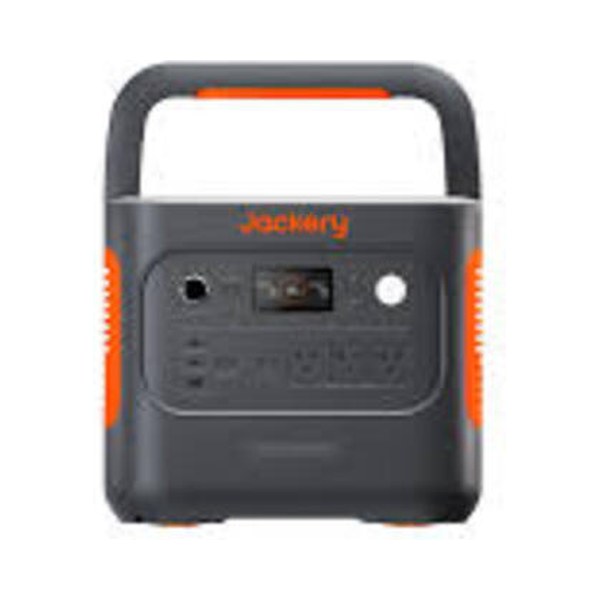
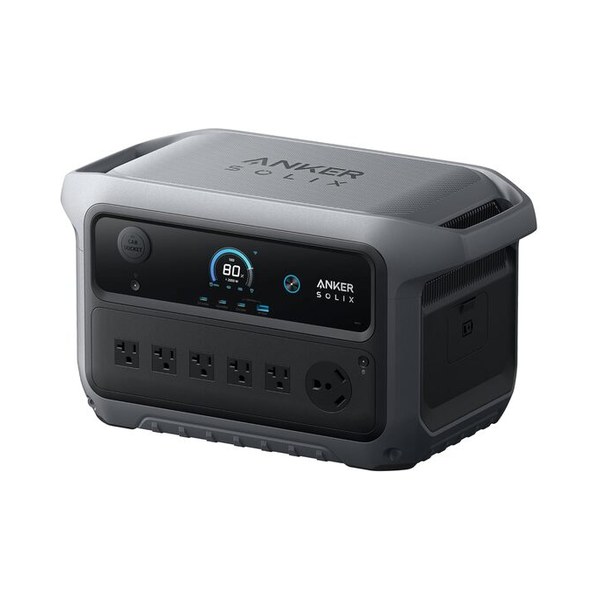
Here are three battery models from our product list.
| Model | Capacity | Output | Weight | Battery |
|---|---|---|---|---|
| Jackery Explorer 2000 v2 | 2,042 Wh | 2,200 W, 4,400 W surge | 39.5 lb | LiFePO4 |
| Anker SOLIX C2000 Gen 2 | 2,048 Wh | 2,400 W, 4,000 W surge | 41.7 lb | LFP |
| Bluetti Elite 200 V2 | 2,073.6 Wh | 2,600 W | 53.4 lb | LiFePO4 |
First, all three hold about 2,000 Wh. Next, the Bluetti page does not list a surge figure in the data we collected, so check its page before you buy. Also, the Anker figures come from a marketing page, so confidence is lower, and its warranty term is to be confirmed. Jackery lists 3+2 years and Bluetti lists 5 years.
A gas model with electric start
The Champion 201281 is a dual fuel generator with electric start. It lists 7,500 W running and 9,375 W starting on gasoline, and 6,750 W running on propane. It weighs 205 lb, lists 74 dBA from 23 feet and lists CO Shield. Its runtime is about 10 hours on gasoline or 5.5 hours on propane at half load.
Electric start is a convenience, not a different kind of power. For example, it saves a hard pull when you are cold or tired. However, the unit still runs outside, makes noise and uses fuel.
How long does a battery generator run?
To find runtime, divide the usable watt-hours by your load. A power station loses some energy converting battery power to household AC, and we count on about 85% of rated capacity as a planning rule. That is our rule of thumb, not a manufacturer spec.
For example, take the Jackery Explorer 2000 v2. Its 2,042 Wh gives about 1,735 usable Wh. Here are examples with made-up loads, so swap in your own.
| Load | Example draw | Approximate runtime |
|---|---|---|
| Refrigerator, average | 46 W | About 37 hours |
| Laptop and router | 70 W | About 25 hours |
| Space heater | 1,500 W | About 1 hour |
So the heater shows the limit. A battery unit can deliver 2,200 W, but it empties in about an hour at that rate. In contrast, a gas generator refills with fuel, so it does not have this limit. Our guide to battery backup for a refrigerator shows the fridge math in more detail.
Battery generator or gas generator?
| Battery generator | Gas generator | |
|---|---|---|
| Fuel | Battery, refilled by wall outlet or solar | Gasoline or propane |
| Exhaust | None | Yes, outdoors only |
| Noise | No engine noise | Loud, 52 to 74 dBA on the pages we checked |
| Energy | Limited by the battery | As long as you add fuel |
| Where it can run | Indoors, balconies, small spaces | Outdoors only |
The U.S. Consumer Product Safety Commission says to use portable generators outside only, at least 20 feet from doors, windows and vents. It also says never to use one in a home or garage, even with doors and windows open. That rule is about engines. Still, a battery unit has no exhaust, but follow the manual for placement.
When a battery generator is the better pick
- Short outages. A night or a day for a fridge, lights and a router.
- Apartments and small spaces. There is no exhaust to manage. Our apartment backup guide covers this.
- Quiet places. There is no engine noise.
- Solar charging. You can refill it from panels. See our solar vs gas generator comparison.
When a gas generator is the better pick
- Long outages. You refill the tank instead of recharging a battery.
- Heavy loads. The Champion 201281 lists 7,500 W running, which is more than any battery unit in our table.
- Frequent heavy use. A job site or a home with a well pump or furnace blower.
For a small gas unit, the Honda EU3200i lists 2,600 W running and 3,200 W starting, and it weighs 59.1 lb. Also, it lists 3.3 hours at rated load and 8.6 hours at a quarter load. Our small generators guide compares more options.
Two quick examples
First, picture a power cut that lasts one night. You want the fridge, a router and phone chargers. A 2,000 Wh battery unit covers that with room to spare, makes no noise and needs no fuel can. So here the battery wins.
Next, picture a three-day storm with a sump pump, a freezer and a furnace blower. A battery unit would need recharging, and without sun or grid power it would run out. In that case, a gas generator with a full tank, or a battery unit plus solar panels, is the safer plan. Also, you can combine both: a battery unit for the quiet night hours and a gas unit for the heavy daytime loads.
What to check before you buy
- The type. Confirm whether the unit has an engine or a battery.
- Running and surge watts. Cover your biggest motor.
- Capacity or tank. Watt-hours for a battery, hours per tank for a gas unit.
- Weight. A 205 lb unit needs wheels. A 40 lb unit does not.
- Where you will use it. Indoors rules out engines.
Common mistakes
- Mixing up the two meanings. Electric start is not the same as a battery, so read the page.
- Expecting a battery to run a heater for long. It empties fast.
- Using a gas unit in the garage. The CPSC says never to.
- Ignoring the surge. Motors need more watts to start.
- Skipping the manual. Follow the maker's advice for placement and charging.
The bottom line
An electric generator is either a battery unit with no engine or a gas unit with a push button. Pick the battery type for short outages, small spaces and quiet, and pick the gas type for long outages and heavy loads. Add up your loads first, then check which type can carry them for as long as you need.