A portable electric generator home setup can keep a refrigerator, lights, a router and a few small appliances running through an outage, as long as you place it outdoors and connect it safely. Models between about 2,600 W and 7,500 W cover most households' key loads. In the worked example below, a home with a fridge, a freezer, a sump pump and a few electronics needs about 2,500 W running. This guide shows how to size one, how to connect it without backfeeding the grid and what to check before you buy.
Here, "electric generator" means any generator that makes electricity. Battery-powered models work differently, so see our electric generator guide for those. We used official spec pages and safety guidance. We did not test any generator ourselves, so every claim comes from those sources or from simple math you can repeat.
What a portable electric generator home setup can run
Most homes do not need to power everything. Pick the loads that matter in an outage: refrigeration, some lights, a router, phone chargers, a sump pump and maybe a fan or a furnace blower.
Here is a made-up list, so swap in your own numbers from the labels.
| Load | Running watts (example) | Starting watts (example) |
|---|---|---|
| Refrigerator | 600 | 1,800 |
| Chest freezer | 300 | 900 |
| Sump pump | 800 | 2,400 |
| Lights, router, chargers | 300 | 300 |
| Furnace blower | 500 | 1,500 |
| Total running | 2,500 |
For the peak, count only the largest motor at its starting watts. The sump pump's 2,400 W replaces its 800 W running figure, so the peak is 2,500 − 800 + 2,400 = 4,100 W. Then leave about 20% of headroom, which is a common rule of thumb. Our generator sizing guide explains the method step by step.
Models we compared
| Model | Running / peak | Weight | Fuel |
|---|---|---|---|
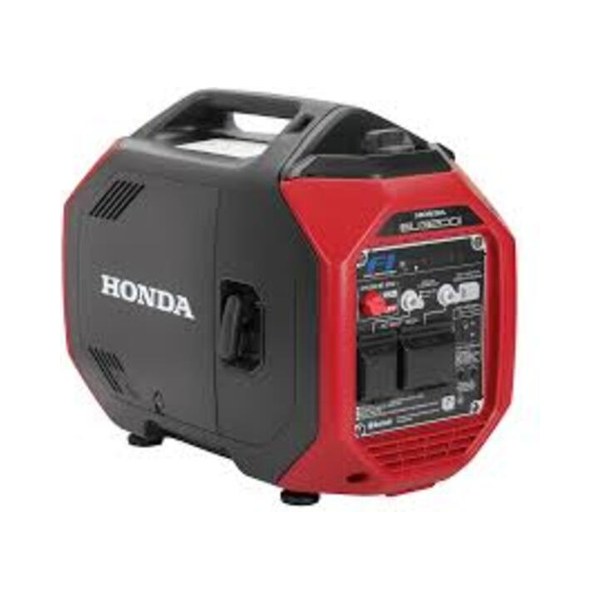
| Honda EU3200i | 2,600 / 3,200 W | 59.1 lb | Not stated |
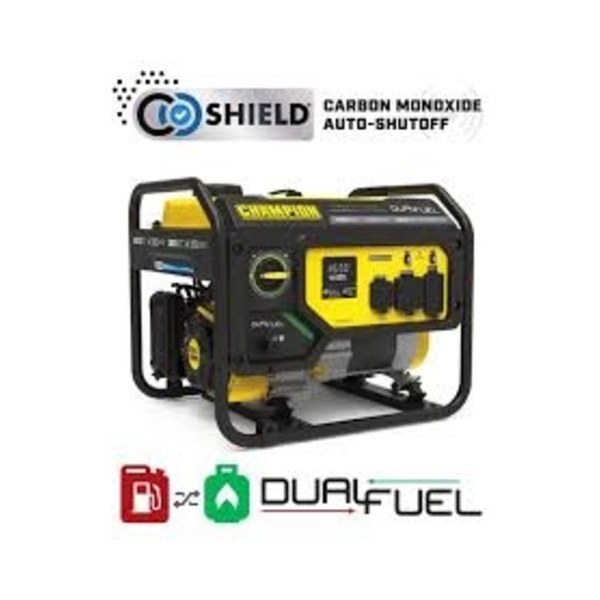
| Champion 201213 | 3,500 / 4,000 W | 108 lb | Dual fuel |
| Westinghouse iGen5000DF | 3,900 / 5,000 W | 104.7 lb | Dual fuel |
| Westinghouse WGen7500DF | 7,500 / 9,500 W | 201 lb | Dual fuel |
| Honda EU7000iS | 5,500 / 7,000 W | 263.2 lb | Not stated |
Against our example, the Honda EU3200i's 2,600 W is barely enough and its 3,200 W peak falls short of 4,100 W. The Champion's 3,500 W running and 4,000 W peak is close, but its peak is just under 4,100 W, and on propane it drops to 3,150 W and 3,600 W. The Westinghouse iGen5000DF's 3,900 W and 5,000 W cover the list, and so do the larger units. On propane, the iGen5000DF lists 3,500 W running and 4,500 W starting, which still covers it.
So the list above needs a unit near 3,900 W or more, even though the running total is 2,500 W. The motors drive that result.
Runtime and noise from the spec pages
Runtime depends on the load, so each maker lists it at a different point. Compare them with care.
| Model | Listed runtime | Listed noise |
|---|---|---|
| Honda EU3200i | 3.3 h at rated load, 8.6 h at 1/4 load | 58 dB(A) at rated load |
| Champion 201213 | 14 h gasoline or 10.5 h propane at 1/2 load | 68 dBA from 23 ft |
| Westinghouse iGen5000DF | 18 h gasoline or 22 h propane at 25% load | 52 dBA, load not stated |
| Westinghouse WGen7500DF | 11 h gasoline or 8 h propane at 25% load | 72 dBA, load not stated |
| Honda EU7000iS | 6.4 h at rated load, 16.0 h at 1/4 load | 58 dB(A) at rated load |
Because the loads differ, a bigger number does not always mean a better unit. Still, the table shows one pattern. A generator that runs near its limit empties its tank much faster than one that runs at a quarter load. So a bigger unit running a small load can last longer per tank than a small unit running flat out.
Noise matters at home, since neighbors and your own family will hear it all night. The makers also test noise in different ways, so treat the last column as a rough ranking.
Gasoline, propane or dual fuel
Dual fuel gives you a choice during an outage, when gas stations may be closed or have long lines. The cost is lower output on propane, about 10% on the models we checked. Gasoline is easy to find but goes stale. The Missouri Public Service Commission advises fresh gasoline and a stabilizer if the generator will sit for long periods.
How to connect it safely
This is the most important part of any home setup. The Missouri PSC says not to connect your generator directly to your home's wiring, because it can backfeed onto utility lines and endanger line workers. The safe option is a transfer switch installed by a licensed electrical contractor. FLASH adds one more rule: never plug a generator into a wall outlet.
Without a transfer switch, plug appliances directly into the generator with a heavy-duty, outdoor-rated extension cord. The Missouri PSC says not to use frayed or defective cords.
Place it outside
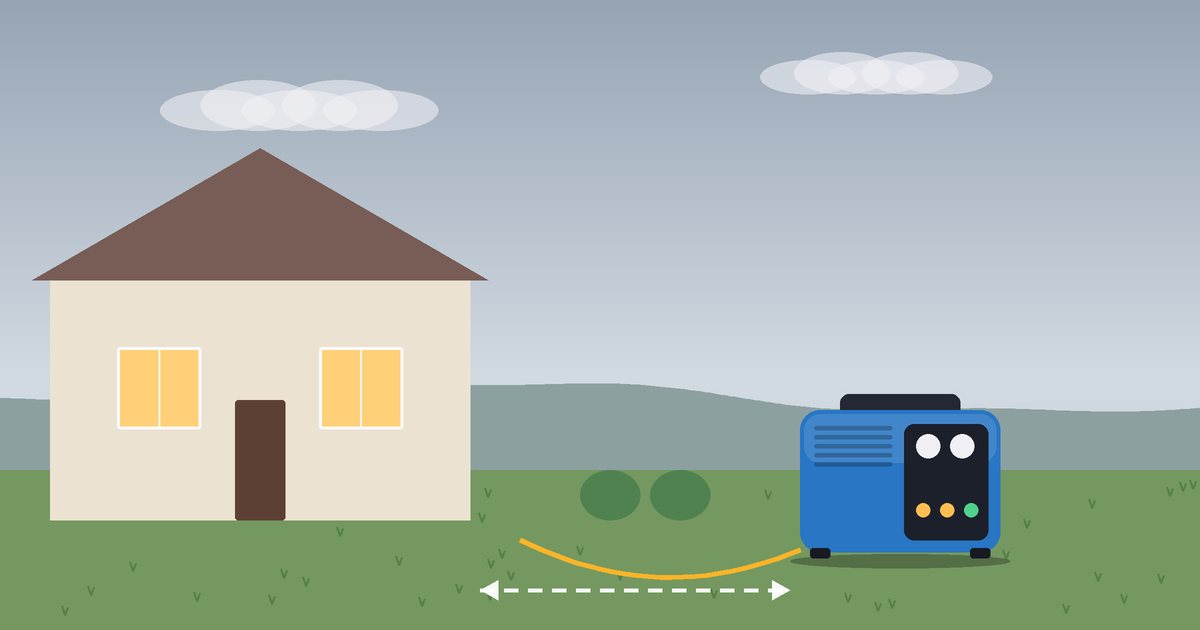
Carbon monoxide is the main risk. The U.S. Consumer Product Safety Commission says to use portable generators outside only, at least 20 feet from doors, windows and vents. It also says never to use one in a home or garage, even with doors and windows open. The Missouri PSC adds that a generator should not run in rain or snow, so use a shed, an overhang or a portable shelter with the exhaust outdoors.
Install battery-operated carbon monoxide alarms in your home. Two models we compared, the Westinghouse iGen5000DF and the WGen7500DF, list no CO sensor in their spec tables, so an alarm matters even more. The two Honda models list a CO-MINDER shutdown, and the Champion 201213 lists CO Shield. A built-in shutdown helps, but it does not replace placing the unit outside.
Which loads to power first
In a long outage, you will probably not run everything. Decide the order before the storm.
- Refrigerator and freezer. They protect food, and they are the loads our worked example is built around.
- A sump pump, if your basement floods.
- Lights, a router and phone chargers. These add little to the total.
- A furnace blower or a fan, depending on the season.
- Everything else, only if the generator has room.
Start the big motors one at a time. That way you never ask the generator for two surges at once, which is the same reason we count only the largest starting figure.
Fuel and maintenance
Refuel only after the generator is off and has cooled. The Missouri PSC says never to add gasoline to a running generator. It also suggests starting the generator at least once a month and letting it run for a few minutes. If it has a battery, keep it charged. Store fuel in an approved can, outside living areas.
What to check before you buy
- Running and peak watts. Match them to your loads, with headroom.
- Fuel. Check propane output if you plan to use it.
- Outlets. Match the plugs to your cords or transfer switch.
- Weight and noise. A 200 lb unit needs wheels and a flat spot.
- Runtime. Compare hours at the same load.
Common mistakes
- Sizing on running watts alone. The pump's surge set the minimum in our example.
- Running it in the garage. The CPSC says never to, even with the door open.
- Plugging it into a wall outlet. This can backfeed the grid.
- Forgetting propane. Output drops on propane for the dual fuel models we checked.
- Skipping the monthly test. The Missouri PSC suggests running it at least once a month.
- Buying a unit you cannot move. The EU7000iS weighs 263.2 lb, so plan for wheels and storage space.
The bottom line
A portable generator for home backup, in other words a portable electric generator home setup, works well if you size it for your loads, place it outside and connect it with a transfer switch or direct cords. Do not backfeed through a wall outlet. Add up your running and peak watts first, and expect to land between 3,500 W and 7,500 W for a house with a pump or furnace blower.